

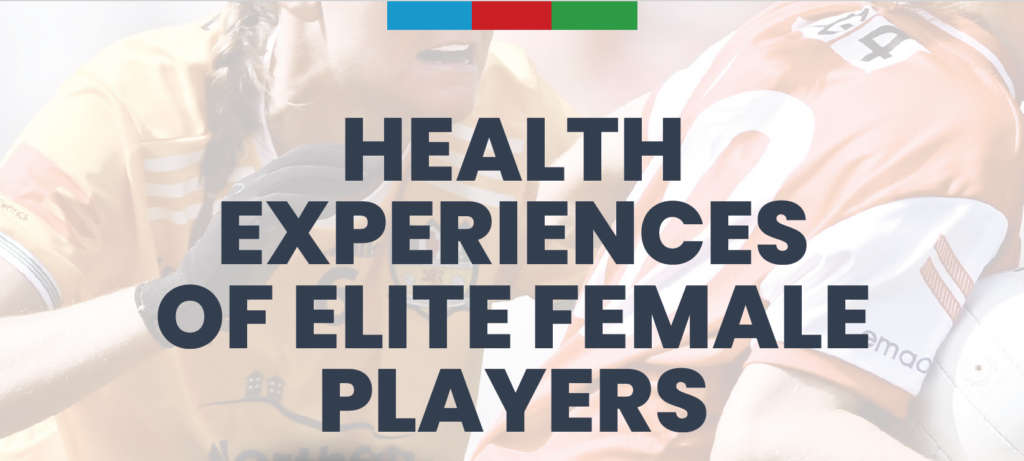
To mark International Women’s Day (Sunday, March 8th), the GPA has released some of the key findings from new research that shines an important light on the health experiences of elite female inter-county players, and the urgent need for improved supports tailored to their specific needs.
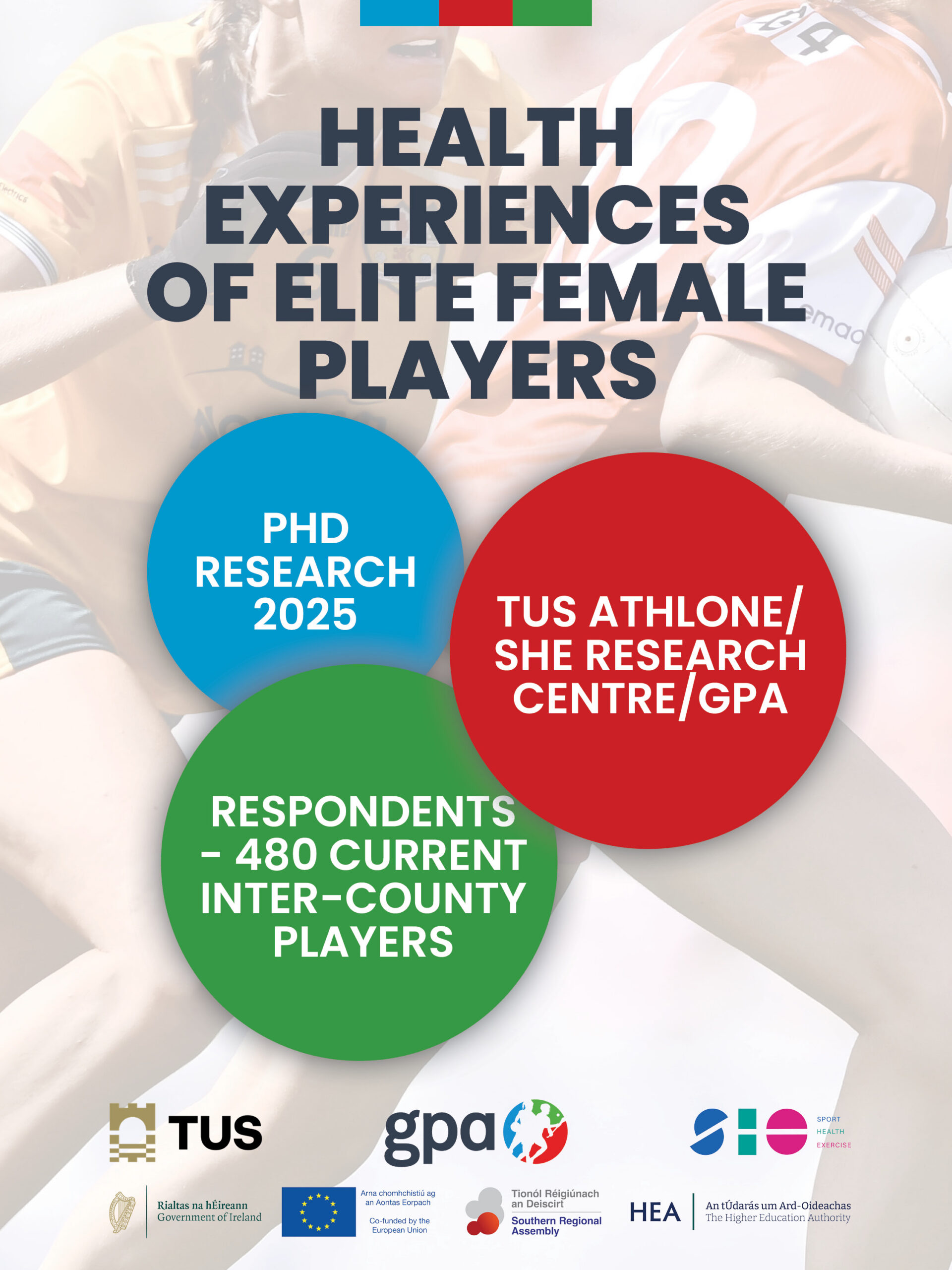
“Sex and Gender Experiences of Elite Female Gaelic Games Athletes” is a PhD study undertaken by student researcher Sarah Doran in partnership with the SHE Research Centre in TUS Athlone and the GPA. Responses were gathered from 480 current inter-county players across Ladies Football and Camogie in 2025. It is one of the most comprehensive studies of its kind within Gaelic Games.
Female-Specific Health Challenges Are Widespread
These preliminary findings show that female-specific health issues are common within the inter-county game.
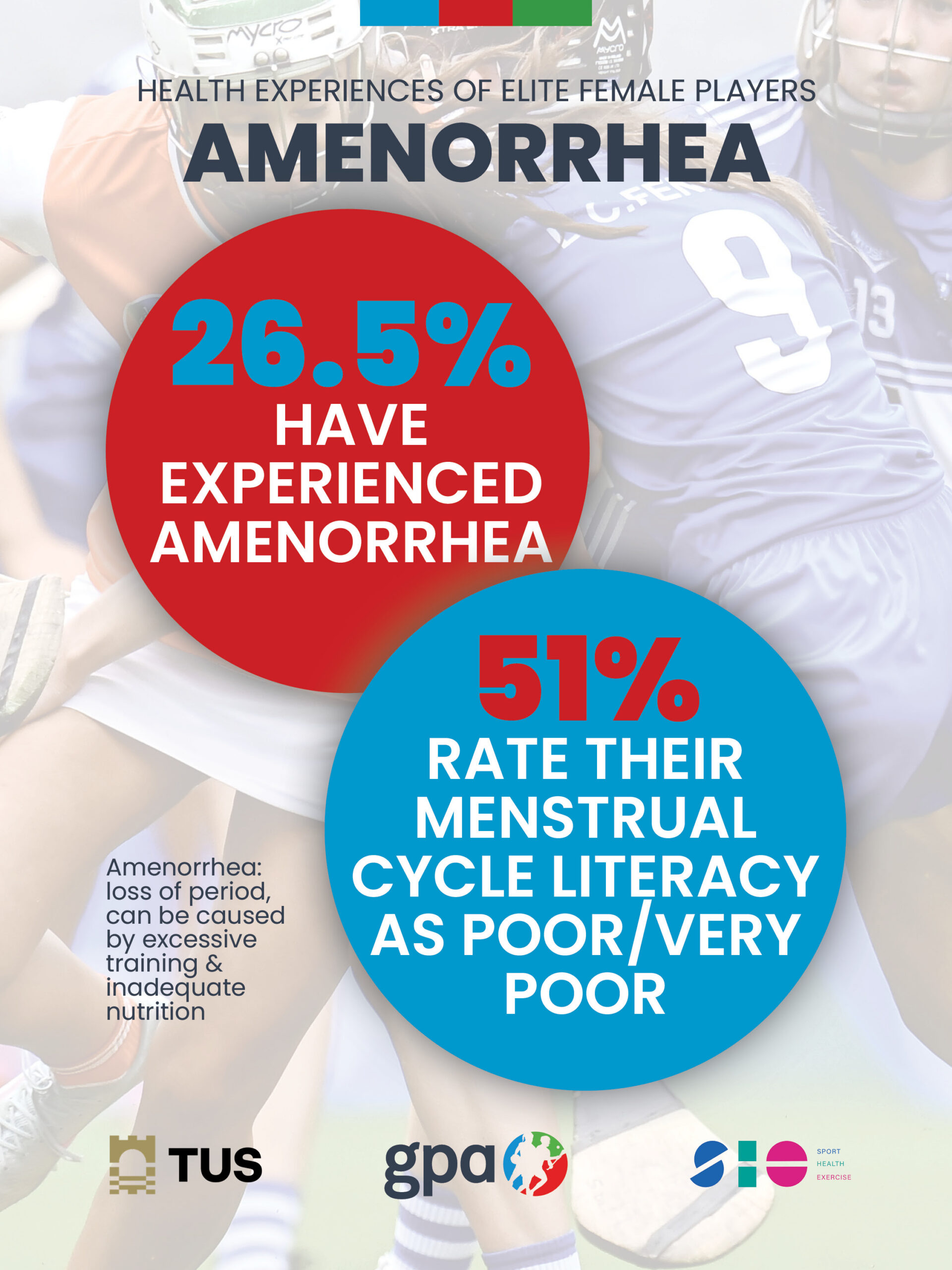
- 26.5% of players reported experiencing amenorrhea (loss of menstruation)
- 54.2% had received no education on the menstrual cycle
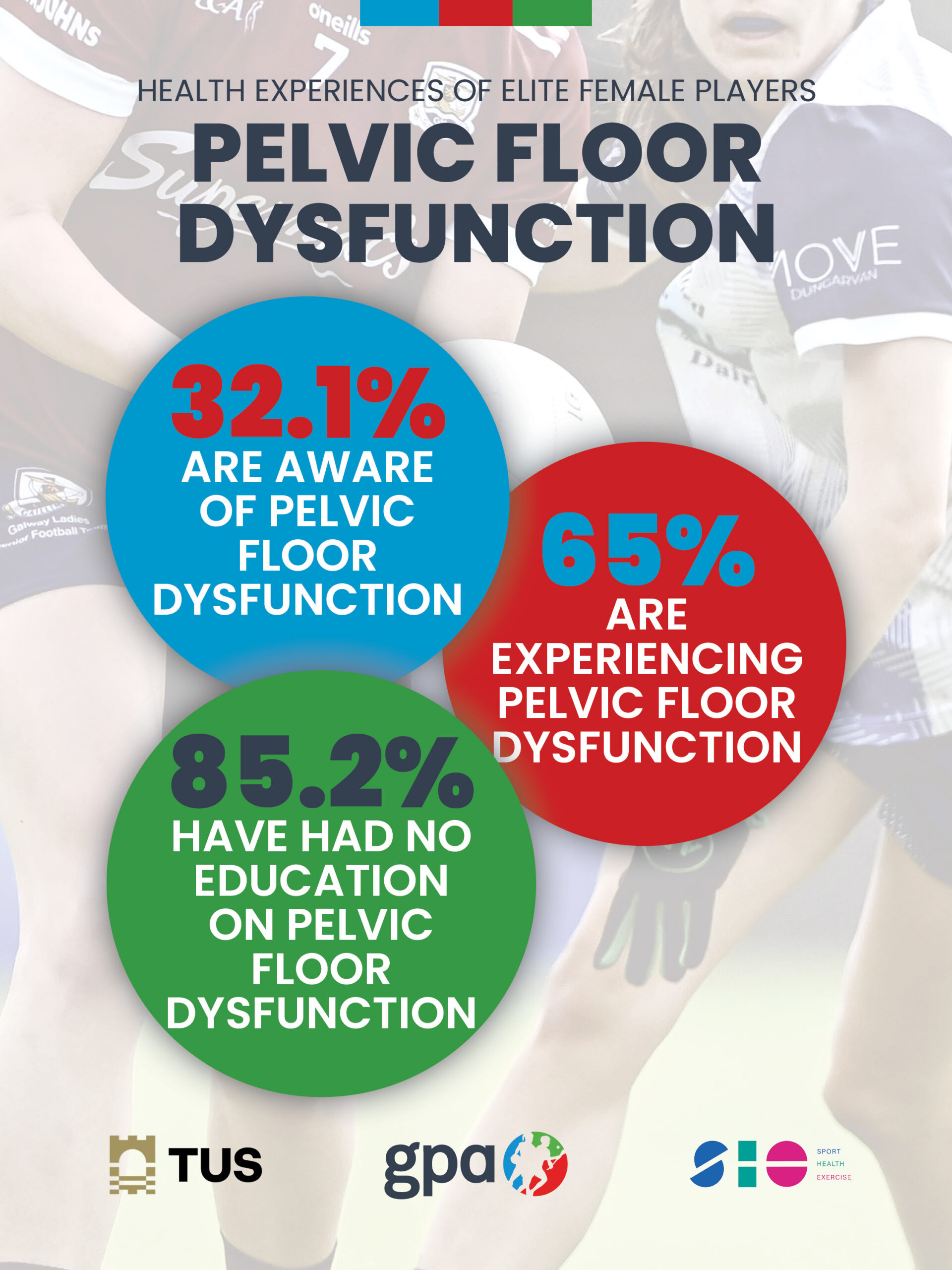
- 65% reported experiencing at least one symptom of pelvic floor dysfunction
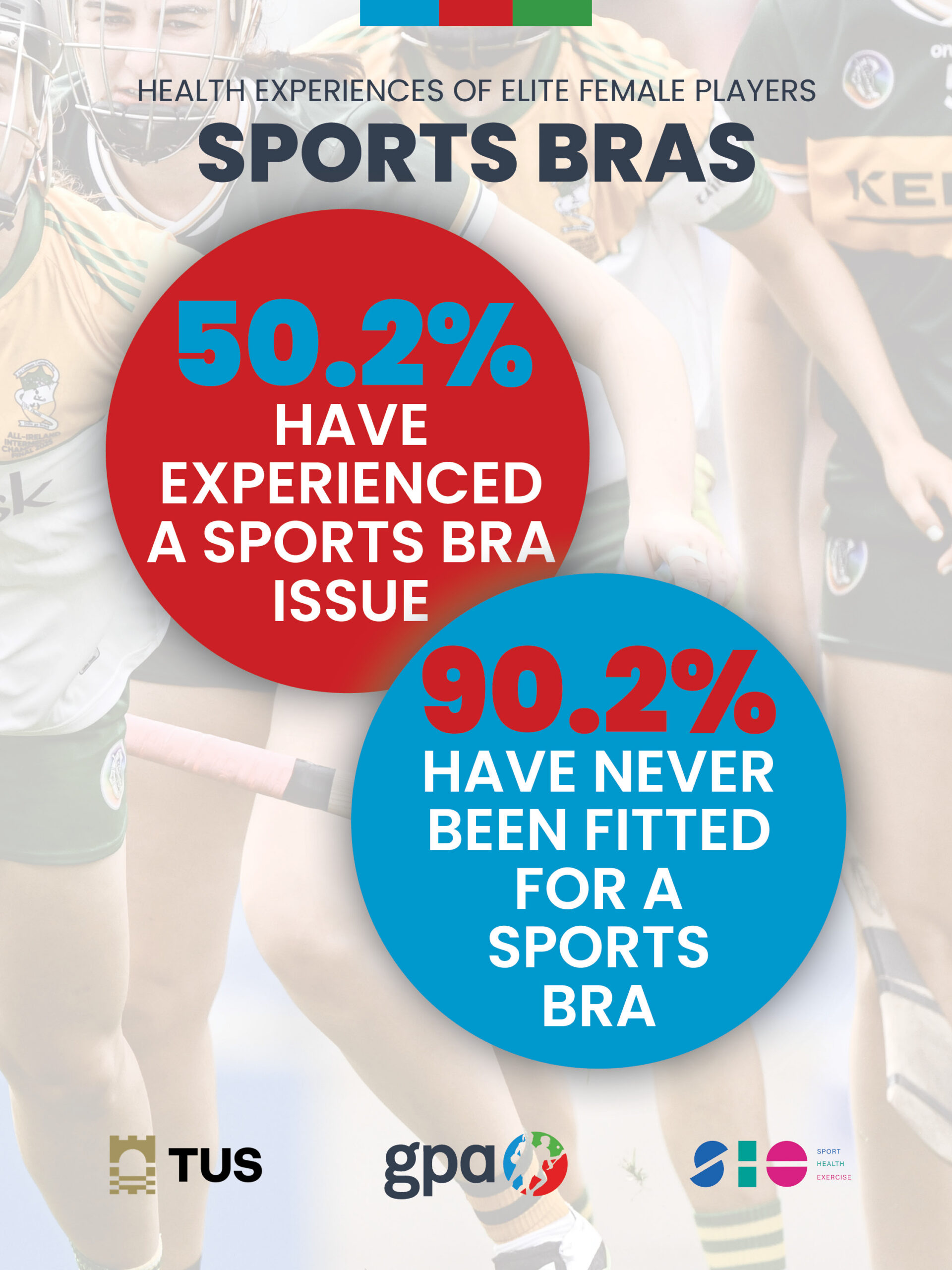
- 50.2% have experienced a sports bra issue
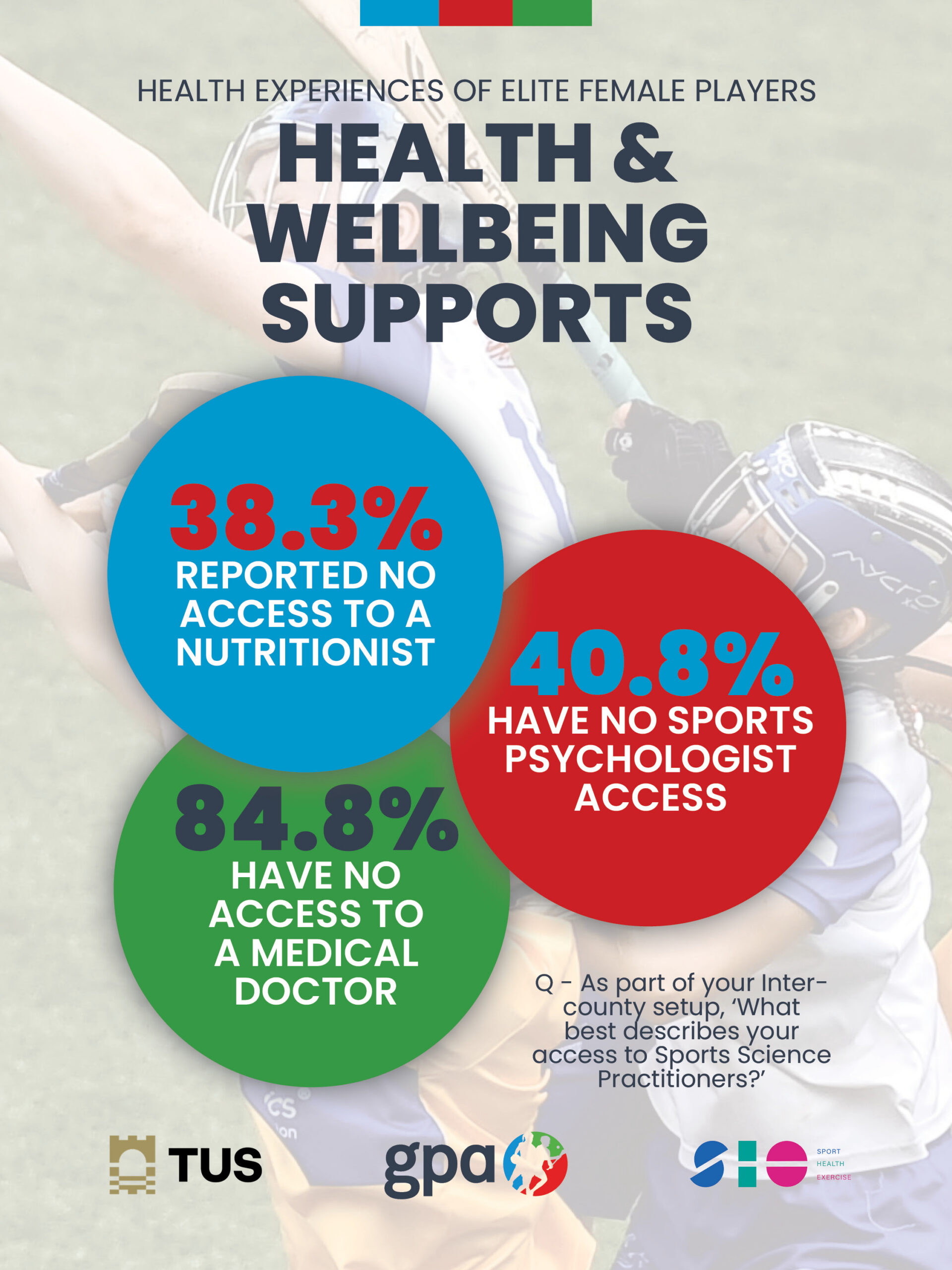
- 38.3% reported no access to a nutritionist
- 84.8% reported no access to a medical doctor
- 19% reported a female health issue to a member of their backroom team
These are not isolated issues. They are part of the everyday reality for many elite female players. While there has been significant progress on standards in recent years, with the introduction of a squad charter for the first time, these findings highlight for further improvements.
Elite female players train at the highest level of amateur sport, balancing intense physical demands with careers and education. The support structures and personnel around players and teams must reflect the complexity of those demands.
There is also clear need for structured, evidence-based female health education within the inter-county environment, giving players the knowledge and confidence to understand and manage their health.
A Call for Action
On International Women’s Day, this research sends a clear message: female players require and deserve supports that are specific to their needs.
That means:
- Improved and consistent access to relevant sports science practitioners such as nutritionists, sports psychologists and medical doctors.
- Dedicated female health education programmes covering menstrual health, pelvic floor function and breast health, for players and backroom staff.
- Improved facility access for female players, with appropriate changing areas, hygiene facilities and private spaces, reflecting elite performance standards.
Supporting female players properly is not an added extra, it is fundamental to protecting their health, wellbeing and performance. The GPA will continue to advocate for enhanced, player-centred supports so that elite female inter-county players can thrive both on and off the field.
Commenting on the research, GPA Head of Equality & Player Relations Gemma Begley said; “We have made significant and welcome progress in recent years in establishing performance standards to support these players performing at an elite level. This research highlights where further improvements are needed, particularly in relation to awareness and access to specialist supports. It is important that everyone in Gaelic games works together to address these gaps. By continuing to collaborate and listen to players’ experiences, we can create a healthier and more supportive environment that allows female players to thrive and help strengthen the future of our games.”
The supervision team includes Dr Aoife Lane and Dr Niamh Ní Chéilleachair from TUS and Dr Fiona McHale from the Physical Activity for Health Centre in UL.
Aoife Lane, Lead of the SHE Research Centre at TUS said; “This is a first of its kind study in Gaelic Games, examining a number of female health issues in the context of the wider support environment for female intercounty players. We look forward to progressing this work, specifically to develop an educational resource for female players that will go some way to addressing issues identified in this phase of the study.”
The full study is being prepared for peer review and publication in a sports science journal. For more details on preliminary findings, click HERE

Funding Statement: This research is funded by the GPA and the TUS RISE
Sex and Gender Experiences of Elite Female Gaelic Games Athletes is co-funded by the Government of Ireland and the European Union through the ERDF Southern, Eastern & Midland Regional Programme 2021-27.